New York MCA Attorney: How to Find One and What to Expect (2026)
Practical guide to finding a qualified MCA attorney in New York. Covers NYSBA search, specialty vetting, fee ranges, and the five questions to ask in a consultation.
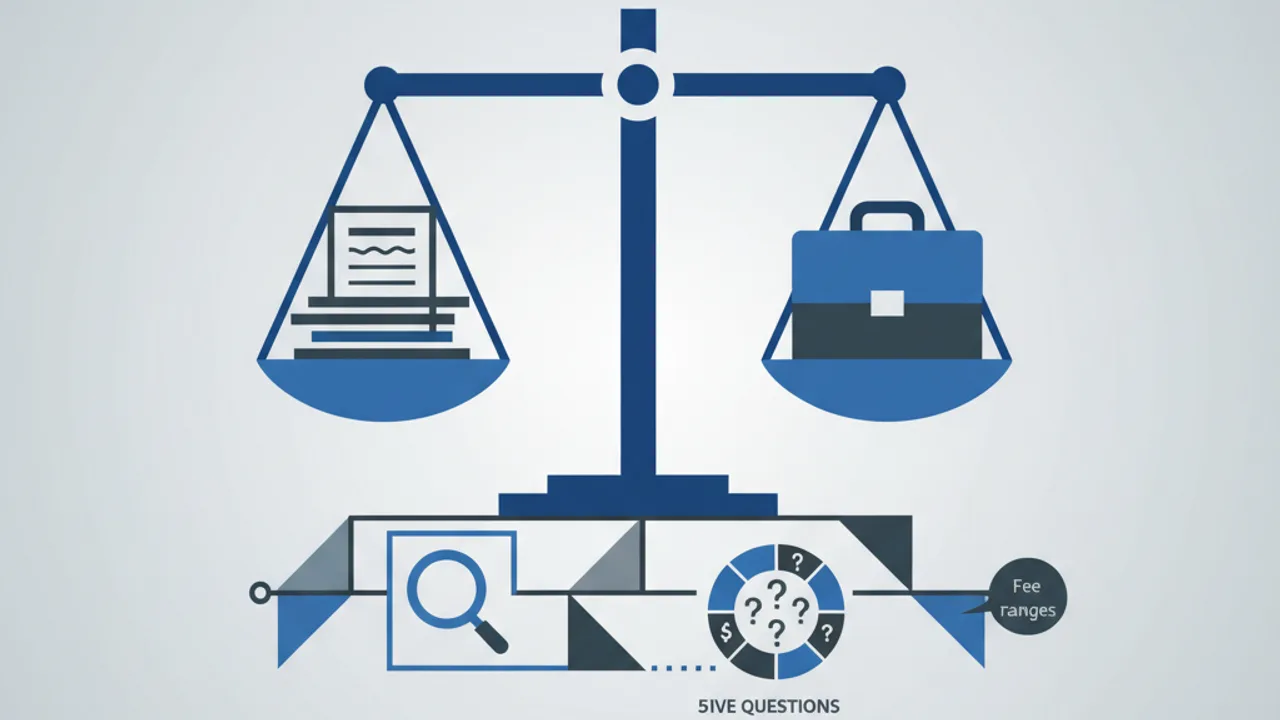
Key Takeaways
- Start with the NYSBA directory at nysba.org, which lets you filter by practice area, county, and language. It is the only authoritative public source for New York bar admission status.
- Commercial Division experience is the key signal, since most contested MCA cases that survive motion practice land there. Ask for recent case numbers to verify.
- Five consultation questions separate specialists from generalists: recharacterization experience, judge familiarity, COJ vacatur history, AG case awareness, and fee structure transparency.
- Typical fee ranges in NY are well documented: $3,000 to $8,000 flat for motions to vacate, $10,000 to $40,000 for contested defense, and $350 to $700 per hour for partner-level work.
- Red flags include guaranteed outcomes, referral fees paid to debt relief companies, and inability to explain the recharacterization test in plain English.
- Free initial consultations are standard in the New York MCA defense bar. Any attorney who charges for a first meeting is out of step with market practice.
Finding a qualified New York MCA attorney is a process, not a phone call. The New York defense bar is deep and sophisticated, but it is also heavily marketed, which means the top search results are rarely the best practitioners. This guide walks through the NYSBA search tools, what Commercial Division experience actually means, the five questions that separate specialists from generalists, and the fee structures you should expect. For the legal substance of NY MCA law see MCA Attorney New York, and for the statutory framework see MCA Laws in New York. This page focuses on the search and vetting process itself.
NYSBA Attorney Search: How to Use It
The New York State Bar Association operates the only public directory that confirms active bar admission and clean disciplinary history in New York. The search tool is available at nysba.org. The filters that matter for MCA defense are practice area (Business Litigation or Commercial Litigation), county (typically New York, Kings, Queens, Nassau, Westchester, or Richmond for NYC-metro cases), and years in practice.
The NYSBA search does not have an "MCA defense" filter, because the practice area is not a formally recognized specialty in New York. Instead, it sits within commercial litigation and, more specifically, within the Commercial Division practice track. You filter to the broader category, then narrow through individual profiles.
What to check on each profile:
- Admission date. Confirms the attorney is actively licensed and reveals years in practice.
- Disciplinary history. The NYSBA links to the Office of Court Administration disciplinary portal, which is publicly searchable. Any public reprimand, suspension, or disbarment should be a hard disqualifier unless the attorney discloses it upfront with a clear explanation.
- Practice description. Look for specific language about merchant cash advance, confession of judgment, recharacterization, or commercial finance defense. Generic "commercial litigation" descriptions are a yellow flag. The niche is real enough that specialists describe themselves in specific terms.
- Bar committee membership. Attorneys active in the NYSBA Commercial and Federal Litigation Section or the Business Law Section often have deeper engagement with the specific case law that drives MCA disputes.
The NYSBA also runs a Lawyer Referral and Information Service that will match you to a vetted attorney for an initial consultation. The referral service has a standardized first-consultation fee that is modest and disclosed in advance, and the attorneys on the referral panel have been screened for practice area and discipline.
Commercial Division Experience Matters
The New York Commercial Division is a specialized track within the New York Supreme Court that handles complex commercial disputes, including most contested MCA cases above certain monetary thresholds. Judges assigned to the Commercial Division see merchant cash advance litigation on a regular basis, which means the motion practice and case management in these matters are materially different from general civil court.
An attorney who regularly practices in the Commercial Division knows the local rules, the individual judges' preferences, and the informal norms that shape how cases move. An attorney who mainly practices in the general Supreme Court or in federal court can technically handle a Commercial Division case but will be learning as they go, which costs you time and money and introduces avoidable mistakes.
How to verify Commercial Division experience:
- Ask for recent case numbers. The attorney should be able to name three to five Commercial Division MCA cases from the last two years. You can look up those cases on the NYSCEF public docket at the New York Unified Court System site. Read the docket sheets. Look at the motions filed. Look at the decisions issued. The record tells you what kind of work the attorney actually does.
- Confirm the specific counties. Commercial Division practice in New York County (Manhattan) differs from Kings County (Brooklyn), Queens, Westchester, and Nassau. Each has its own local rules and judicial personalities. An attorney who has mainly practiced in one county may be less effective in another. MCA cases are spread across several, which is why breadth matters.
- Ask about appellate work. The leading NY MCA decisions are appellate. An attorney who has briefed or argued in the First Department (Manhattan and the Bronx) or Second Department (Brooklyn, Queens, Staten Island, Long Island, Westchester) has working familiarity with the court that makes the rules the trial judges apply.
Pure transactional commercial lawyers who wander into litigation are a common disappointment. Ask specifically about trial and motion practice, not contracts or corporate work.
The Five Questions to Ask Every Candidate
A first consultation is a two-way interview. The attorney is evaluating whether your case is worth taking. You are evaluating whether this is the right attorney. These five questions cut through marketing and surface actual experience.
1. How many MCA defense matters have you handled in the past two years, and how many went to contested motion practice? The raw number tells you whether this is a practice or a hobby. The second half tells you whether the cases actually got litigated or just settled immediately. Both outcomes are legitimate, but if every case settles quickly the attorney has not developed contested motion experience.
2. Walk me through the NY recharacterization test. What factors do courts weigh and where does the appellate line stand? A specialist will answer in three to five minutes, referencing reconciliation, finite term, personal guarantee scope, and the specific appellate decisions that frame the analysis. A generalist will hedge or talk in abstract terms about "true sale versus loan" without naming the factors or the cases.
3. Have you filed a motion to vacate a Confession of Judgment under CPLR 5015 in the past year? Even after the 2019 reform, motions to vacate pre-2019 COJs are still common defense work. An attorney who has done several in the past year has the procedural muscle memory you need. An attorney who has done none recently will be billing you to re-learn the mechanics.
4. How do you structure fees and what triggers a change in the fee arrangement? The answer should be specific. Flat fees for defined deliverables, hourly for open-ended work, a written engagement letter. Any hedge, any "we'll figure it out," any mention of contingency in a defense case is a red flag. Defense work is almost never contingency-appropriate because there is no recovery to contingency against.
5. Who will actually do the work on my case? In larger firms, the partner who takes the meeting is not always the lawyer who handles the depositions and hearings. You want to know now whether the partner is the advocate or whether the real work will be delegated to an associate. Either can be fine, but surprise delegation is not.
Typical NY MCA Attorney Fee Structures
New York fee ranges are well documented and fairly consistent across the defense bar. Here is what you can reasonably expect in 2026.
Motion to vacate a Confession of Judgment (flat fee). $3,000 to $8,000 depending on complexity, factual record, and whether service and jurisdiction issues are involved. The flat fee typically covers drafting the motion, supporting affidavits, oral argument, and one round of reply. It does not usually cover appellate work if the motion is denied.
Contested defense through summary judgment (mixed flat and hourly). $10,000 to $25,000 for a case that moves through answer, basic discovery, and a dispositive motion. Some attorneys structure this as a series of flat-fee milestones. Others bill hourly against a retainer.
Full trial defense (hourly). $25,000 to $75,000 or more depending on complexity, length of discovery, number of witnesses, and whether expert testimony is required. Trial is rare in MCA cases, but when it happens the cost escalates sharply.
Hourly rates. Partner-level rates in Manhattan MCA defense practice run $500 to $750, with specialists at the top of the range. Outer-borough and Long Island rates are typically $350 to $550. Associate rates run $250 to $450. Rates outside New York City in Westchester and upstate venues can be lower.
Settlement negotiation without filing. Some attorneys offer flat-fee negotiation representation at $2,500 to $7,500 for cases that are pre-lawsuit or pre-judgment. This is common where the merchant wants attorney-led negotiation without committing to full litigation defense. For a broader cross-cluster view of when attorney-led settlement beats debt relief company settlement, see best MCA debt relief companies.
Every engagement should be documented in a written fee letter signed by both parties before any work begins. That is a New York ethics rule, not a preference.
Red Flags When Hiring in NY
The New York MCA defense market is lucrative enough to attract marketing operations that do not correspond to real legal practice. The following red flags should disqualify an attorney regardless of how confident they sound.
Guaranteed outcomes. No ethical New York attorney will guarantee a specific outcome in a contested matter. An attorney who says "we will get your case dismissed" or "we will cut your debt by 70%" is either inexperienced, dishonest, or both. Outcome language in marketing material violates the New York Rules of Professional Conduct.
Referral fees paid to debt relief companies. Some debt relief companies have arrangements with attorneys where the company takes the initial client intake and passes the legal work to affiliated counsel, with a fee split. These arrangements are regulated, sometimes prohibited, and in any case compromise the attorney's independent judgment. Ask directly: "Are you paying or receiving a referral fee on my case?" If the answer is anything but a clean no, move on.
Inability to explain the recharacterization test in plain English. This is the single best diagnostic. A specialist has explained this test to clients dozens of times and can do it in a few minutes without notes. An attorney who fumbles or retreats into jargon is not a specialist.
No disciplinary record but no public case record either. An attorney with a clean bar record but no publicly searchable Commercial Division cases in the past two years is probably not actively litigating. Marketing pages can be produced in an afternoon. Dockets take years.
Pressure to sign a retainer on the first call. A legitimate engagement requires review of your specific documents (the MCA contract, any demand letters, any judgments entered) before an attorney can meaningfully price or scope the work. An attorney who quotes a fee and demands a retainer before seeing the paperwork is selling, not lawyering.
For defense-specific tactics see the cluster sibling New York MCA Defense Attorney and for the settlement path see New York MCA Debt Attorney. The pillar MCA Attorney Complete Guide covers cross-state comparisons, and MCA Lawsuit Being Sued Playbook covers the broader sue-response framework if you are already served.
FAQ
Sources
- New York State Bar Association attorney directory— NYSBA
- New York Unified Court System NYSCEF public docket— NY Courts public portal
- New York State Senate CPLR 3218— New York State Senate
- New York Attorney General consumer protection— Office of the NY Attorney General
- New York State Senate S6395 Confession of Judgment reform— New York State Senate
Your next step
Lawsuits have deadlines. If you've been served, act in days not weeks. Here are the three paths, ordered by urgency for your situation.
- Talk to an MCA attorneyIf you've been served with a lawsuit or COJ, this is the first call. See what an MCA attorney does and what it costs.
- MCA debt relief companyIf no lawsuit has been filed yet, a debt relief company can often settle before litigation. Disclosure: /how-we-make-money.
- DIY negotiationWorks best before default. Full playbook here.